


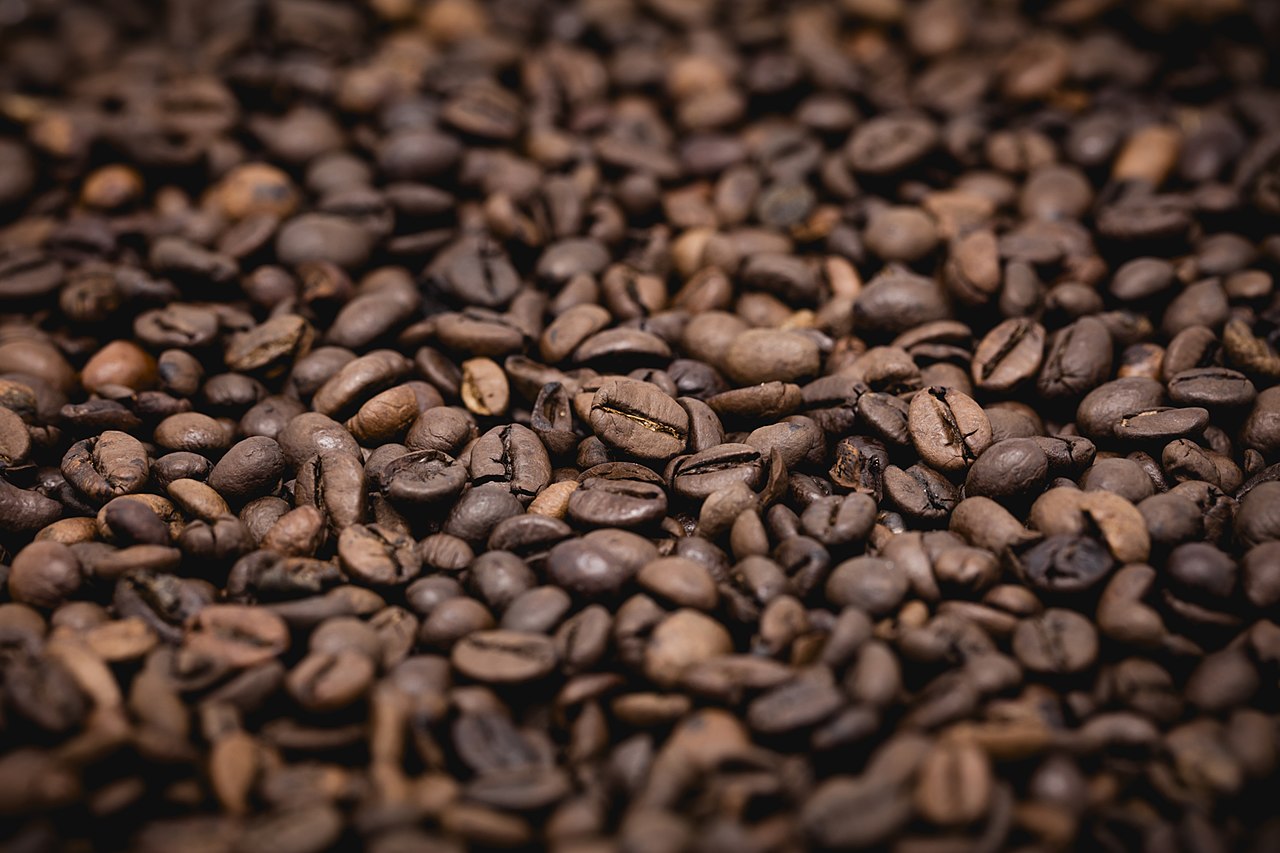
We often tell this management joke about coffee and the coffee machine. In fact, we tell it so often that it has become part of our company. And if that is the case, then coffee has become part of our company too. That is why, perhaps, we need to write an article about coffee as well. More specifically, about coffee types and quality, because, after all, quality management is one of the areas of process management.
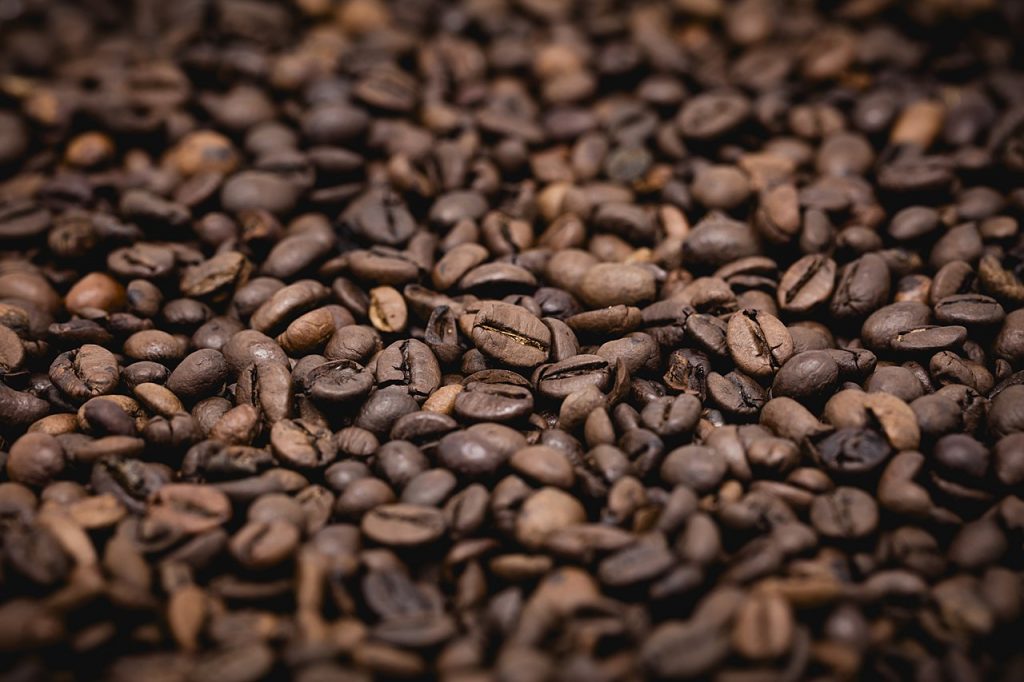
The coffee beans are roasted and only then do they take on their full aroma.
And there are very few types of coffee – just two. One is arabica and the other is robusta.
Types of coffee – robusta and arabica
Arabica is a mild, aromatic, subtle, less caffeinated and very pleasant coffee from the Coffea arabica coffee bean. Usually, when we talk about good coffee, we are talking about Arabica. Arabica is a coffee that for many has become simply a synonym for coffee.
Robusta is coarse, strong and spicy, heavy in flavor, much stronger and much much cheaper. The low price of robusta is due to the fact that the robusta plant is a different plant, Coffea canephora (Coffea robusta), which is much more resistant to bad weather, is not picky about the soil and is less attacked by pests.
Robusta has such a harsher and inferior taste to arabica that, despite all the possibilities for wider cultivation, arabica still accounts for 60% of world coffee sales. Robusta accounts for only 40%.
Because of the low price, many unscrupulous coffee sellers add robusta to arabica, stating on the packets that it is 100% arabica. However, it is very easy to distinguish the addition of robusta – just a few percent is enough to change the aroma of the coffee, while a fifth of robusta is enough to dominate the flavor and aroma.
On the other hand, there are a couple of coffees where robusta is a necessity: one is espresso, for which robusta adds strength (a lot of caffeine) and intensifies the taste. The other is Vietnamese coffee, which has become traditional in a relatively short time. That coffee is brewed with a large quantity of robusta, which is filtered and mixed with a lot of condensed milk and sugar. The result is a rather specific, very sweet and aromatic drink that tastes better with robusta than with arabica.
However, most coffees are made from arabica alone, and robusta would only spoil the taste of these coffees.
An anecdote about good coffee
To mark the occasion, we’ll tell you another managerial anecdote about coffee and its quality.
A hundred and more years ago, back in tsarist times, there was a Jew in Vilnius who had a café. Cafés were already extremely popular at that time, and Vilnius was probably the most coffee-consuming city in the Tsarist Russian Empire. So the coffee here was good. But the coffee in this Jew’s café was very special, very extraordinary.
The coffee was so good that he sold it for almost twice the price of others, and yet there was almost always a queue outside his café because people could not fit inside. The only problem was that the old man did not pass on the recipe for the coffee to anyone, not to his employees, not to his relatives, not even to his children. He always made the coffee himself.
The relatives, no matter how much they asked for it, did not get the recipe. And the people were crazy for the coffee.
Unfortunately, as time went on, the old man grew very old and nearing death. The café did not open. He called his closest relatives to his deathbed, and said:
– Jaučiu, kad aš greitai mirsiu. Ilgai viriau geriausią kavą ne tik Vilniuje, bet ir visoje Lietuvoje. Jūs matote, verslas klesti, pinigų pilna, nors aš kavą virdavau vienas. Bet dabar aš mirštu ir verslą teks perimti jums. Todėl aš jums perduosiu tą kavos receptą. Jis labai paprastas, bet jo laikytis būtina visada visada, ir niekada niekam jo neišduokite.
All the relatives realized that they’ll finally know the secret. And the old man said:
– The recipe is very simple, by volume, 1 part coffee to 2 parts water. But here’s the secret: never, no matter how badly you want to, absolutely never ever skimp on the coffee.
And when he had said these words, the old man died.
Legend has it that none of his relatives could brew coffee like the old man – they all started to skimp on coffee, hoping to earn more. And the coffee was never the same as before. So customers started going elsewhere and the business didn’t last.
The moral of the story is simple – if you try to save money without giving the customer quality, you lose business. But to refraining from making those cuts is sometimes almost impossible. So you start with small cuts (“the customer won’t feel it”) and then they multiply, multiply, multiply, until eventually the product’s sales collapse. The worst thing is that once you have given the customer bad quality, you cannot convince them that the quality will be good again. So the process is irreversible.
We wish you good coffee 🙂
Pratura teikia procesų gerinimo paslaugas įvairiose srityse - projektų valdymo, tiekimo, pardavimų, gamybos, klientų aptarnavimo ir kt..
Susisiekite su mumis ir mes jums padėsime pagerinti procesus jūsų įmonėje:
Naujausi komentarai